
About us
The Gdynia Aquarium is a zoo and part of the National Marine Fisheries Research Institute. Scientific research and education are central to what we do. We want to showcase the diversity of aquatic environments and help people understand them better.
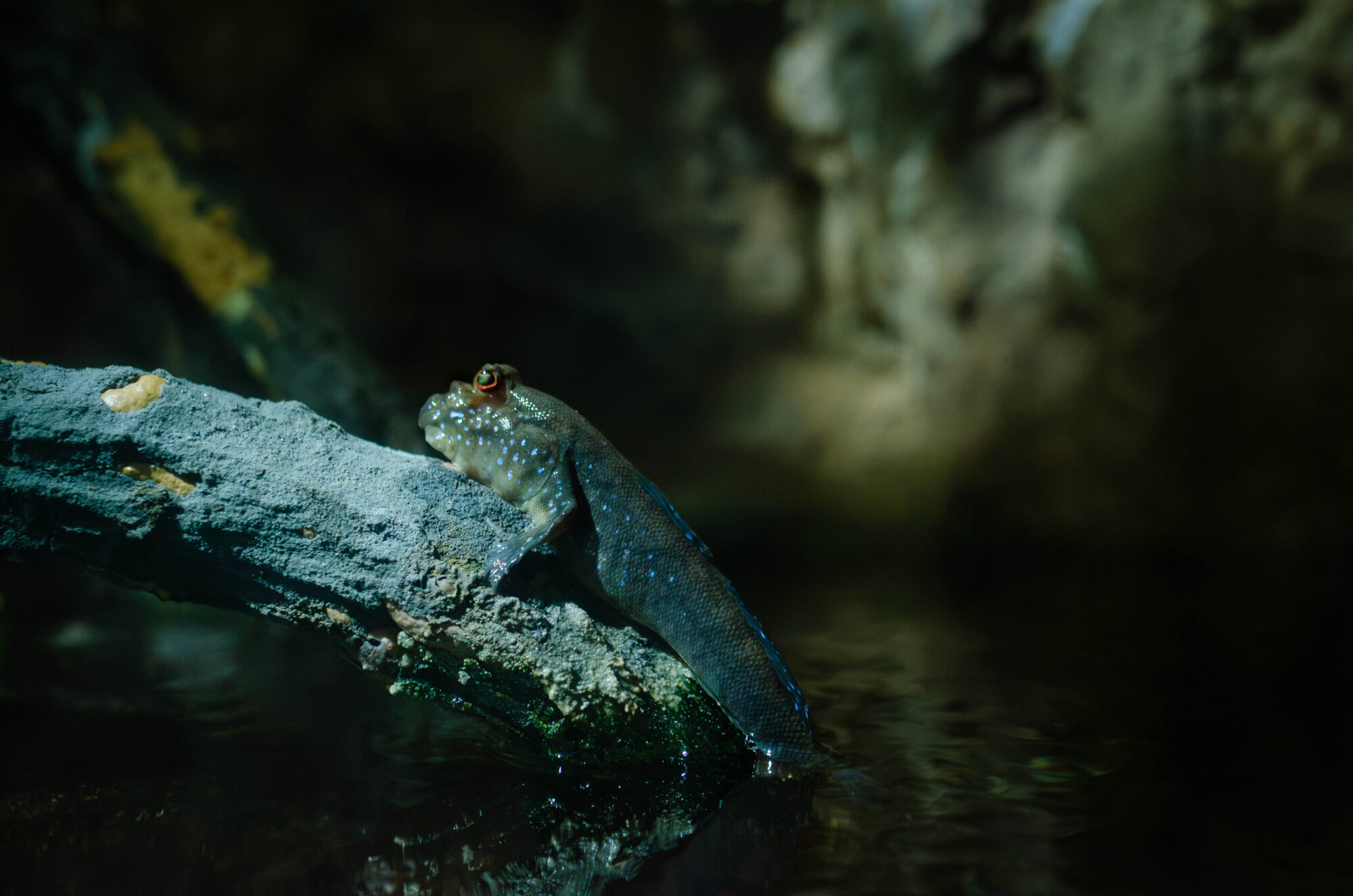
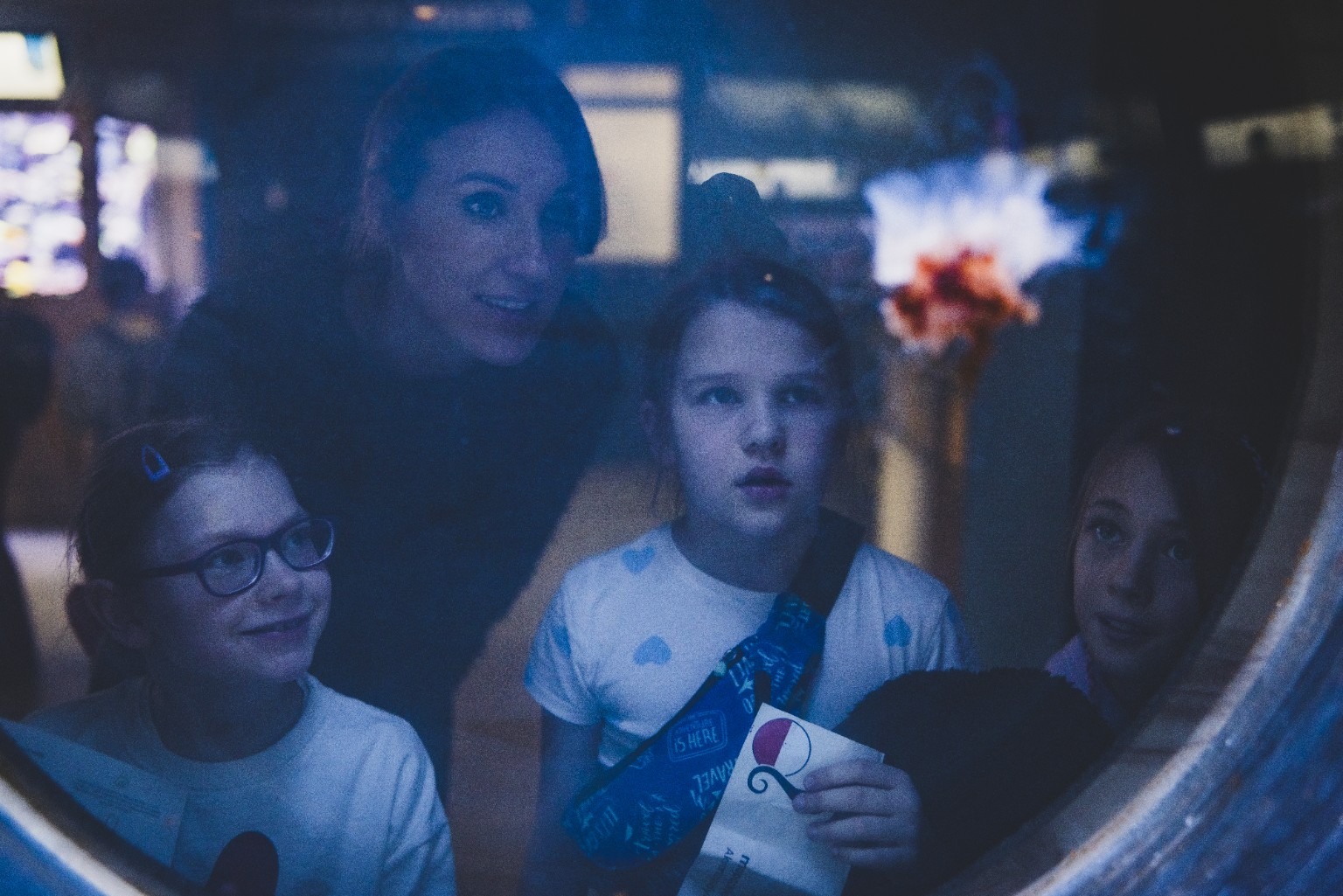
At the Gdynia Aquarium’s Education Centre, we focus on learning through hands-on experience. Participants observe and explore aquatic life for themselves, using microscopes and specimens collected over the years by the National Marine Fisheries Research Institute.
Whenever conditions allow, we also take learning outdoors. Activities by the sea give participants a chance to see the aquatic environment up close and understand it better. We explore what lies beneath the water and look beyond its surface.
We offer activities for all ages—children, young people and adults—including school groups, other organised groups and companies.
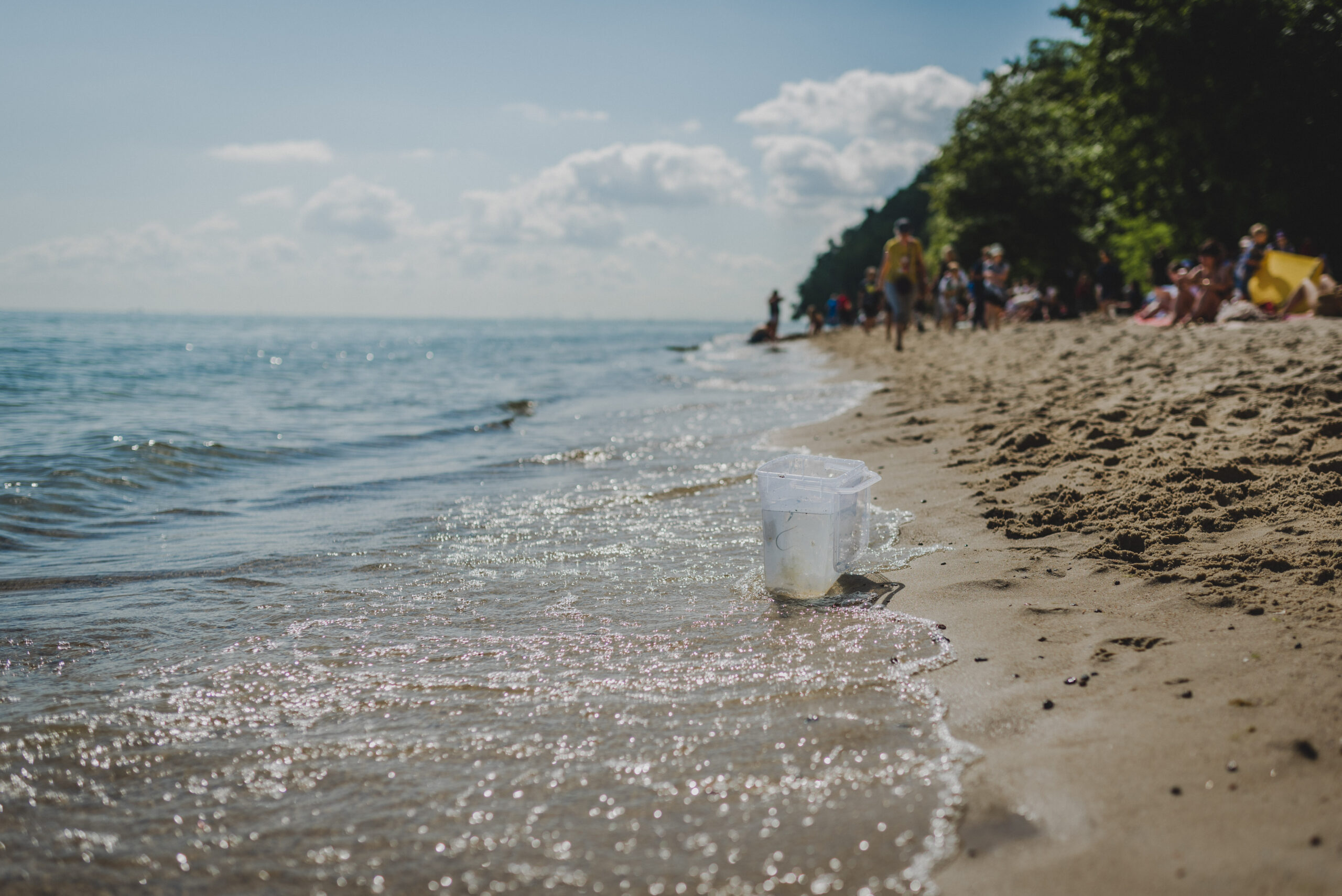
Through our work, we want to show how the ocean affects our lives and how our choices affect its health. This is one of the foundations of ocean literacy (learn more).
When working with companies, we show how their activities can affect the marine environment and how understanding the ocean connects with environmental responsibility and ESG goals (Environmental, Social and Governance).
About building
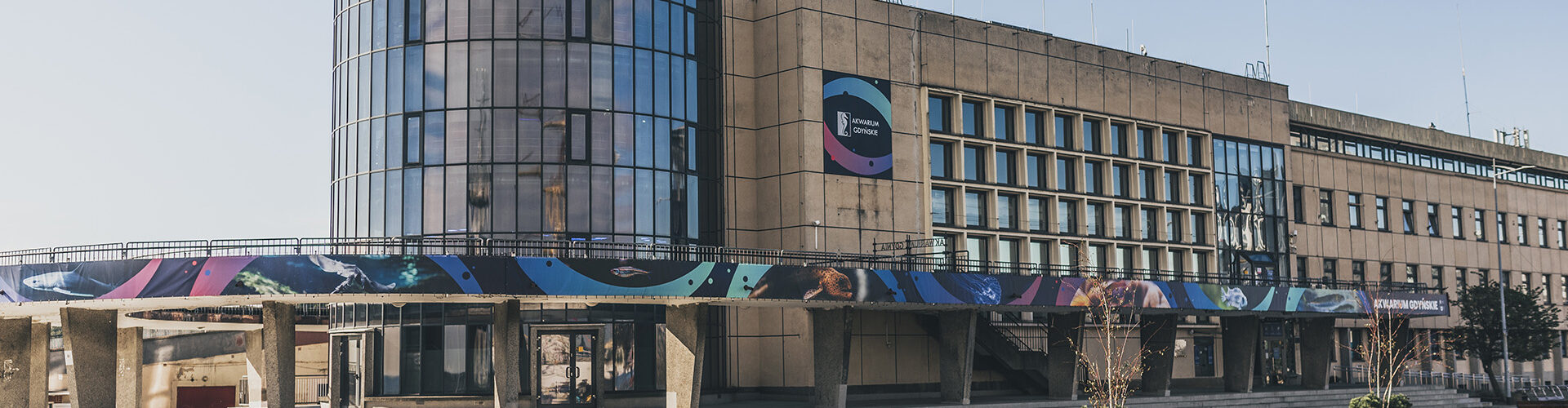
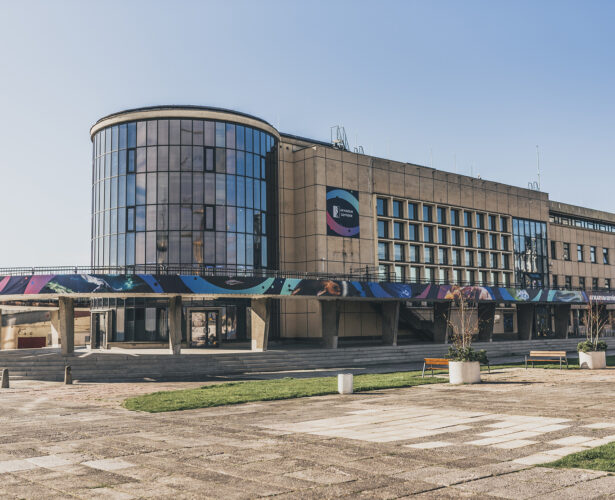
The Aquarium is housed in a modernist building dating from 1938. Its simple, functional design is characteristic of Gdynia’s architecture of that period. Today, the historic building combines its original architecture with spaces designed to showcase the underwater world.
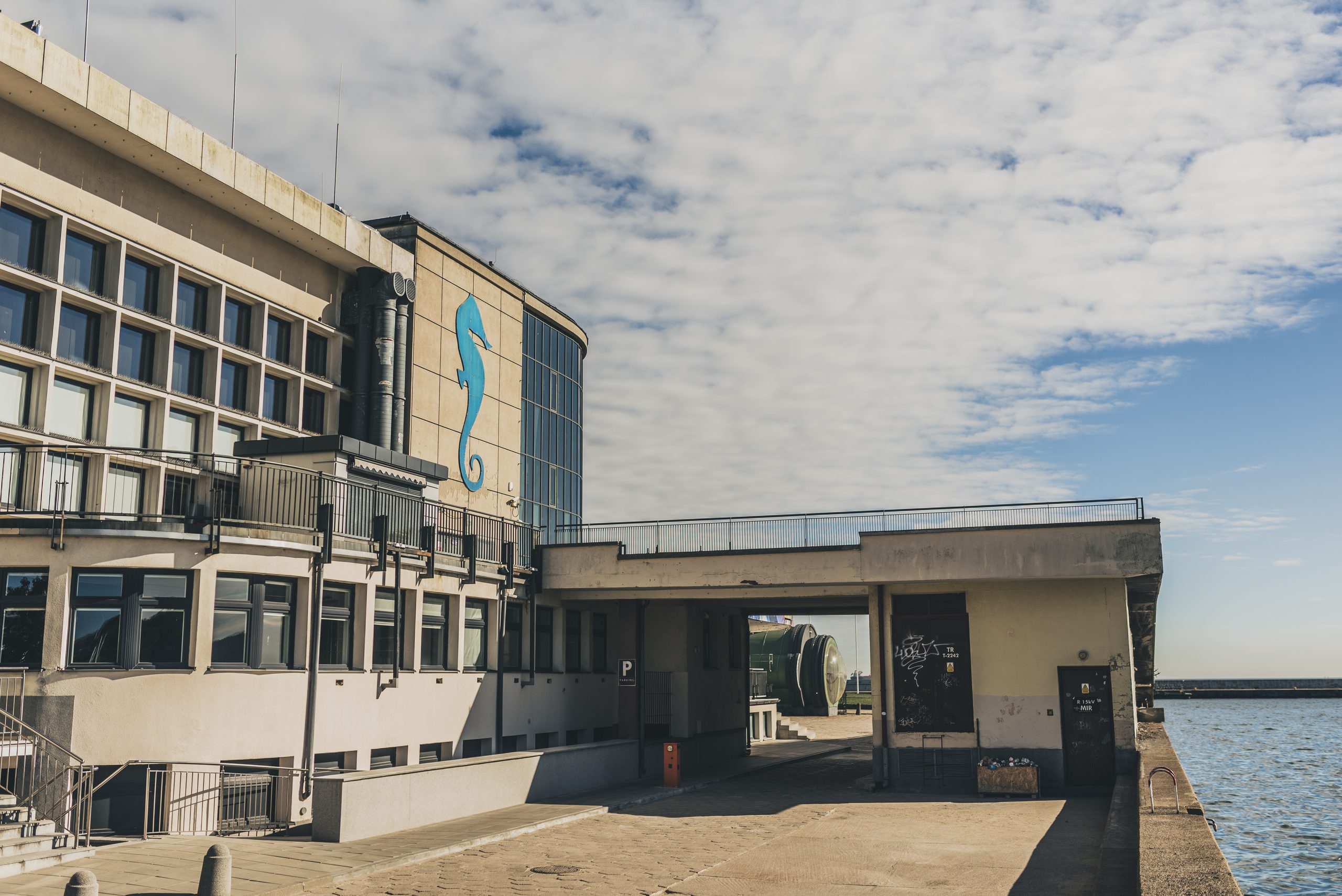
Across four floors, eight themed galleries introduce visitors to a range of aquatic environments and the animals that live in them—from the Baltic Sea to coral reefs and the waters of the Amazon.
Our historic building also presents accessibility challenges. That is why we are gradually introducing changes to make visiting the Aquarium easier and more comfortable for people with different needs. We see accessibility as an ongoing process: we review each space and look for ways to improve it.
We are also developing this approach as the lead partner of the international AIMused project. Together with partners from the South Baltic region, we are exploring how traditional approaches and new technologies, such as artificial intelligence, can work together to make experiences more accessible to a wider range of people.